יום חמישי, 17 ביוני 2010

חיים ללא משקל - Weightless Life


סרט זה (בלינק המצורף) הופק עבור ערוץ "קולטורה" הרוסי. הוא קצת ארוך אבל שווה את הצפייה, לכל מי שמתעניין באנימציה. הסרט סוקר את ההיסטוריה של הסטודיו "סיוזמולטפילם" שהוקם אחרי מלחמת העולם הראשונה ברוסיה, המטרה לנסות "לתעש" את האנימציה. ההשראה להקמת סטודיו גדול הגיעה מאולפני וולט דיסני, שצברו באותן שנים תאוצה גדולה מאוד. נוצר מצב מעניין שבו הרוסים, הבנויים שונה תרבותית מהאמריקאים, "רודפים" אחרי האולפנים ובבת אחת מתרחקים מהם ומורדים בהם. יש התכתבות מתמידה בין העבודה של האולפנים. בסרט מרואיינים גדולי אנימציה רוסית, ביניהם חביב הבלוג יורי נורשטיין ופיודור חיטרוק. הקריינות טיפה מנדנדת, אבל שווה לראות מעבר לזה ולשמוע את אותם אנשים גדולים מדברים על העשייה שלהם ועל ההתפתחות שלה באולפנים.
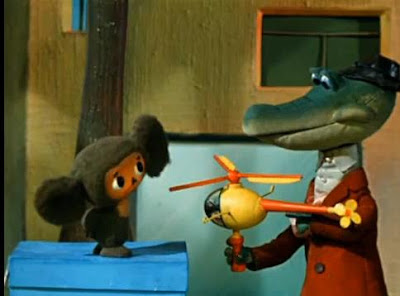
אולפני סיוזמולטפילם אחראים על קלאסיקות על כמו "פו הדב", "נו פאגאדי", "קיפוד בערפל", "מוגלי" (ספר הג'ונגל), וסדרות סטופ מושן מופלאות וביניהן "צ'יבורשקה", שנהיה לימים הלוגו של האולפן.

This short documentary (in the link above) was produced for the Russian channel "Kultura". It is a bit long but worth the attention, to all those who are interested in animation. The film presents the history of the great animation studio "Soyuzmultfilm", which came to exist after WW1. The goal was to industrialize animation, the same as it was done in the popular Disney studios. The interesting thing is that the Russian studios found themselves both trying to be like the Disney studios and and trying to develop their own way of work. In the film there are interviews with the great people behind Russian animation, among those are Yuri Norshtein and Fyodor Khitruk. The narration is a bit nagging, but it is worth to see past that how those great people tell the story of the industry from their own perspective.
Soyuzmultfilm studios are responsible for classics such as "Winnie the Pooh", "Nu Pagadi", "Hedgehog in a fog", "Maugli" (the Jungle Book), and magical stop-motion films such as the unforgettable "Cheburashka", who became the logo of the studio.

יום ראשון, 13 ביוני 2010

כנס ניו-מדיה ליוצרי קולנוע New-Media Conference for Filmmakers

קשה לסקר את כל הכנס לניו מדיה שנערך יום חמישי האחרון בסינמטק תל-אביב. הכנס היה מיועד לאנשי קולנוע, והמטרה העיקרית שלו היתה לחבר בין עולם הקולנוע הקלאסי, שלבו בסיפור סיפורים, לבין כל עולם אחר נגיש לצופה המשלב בתוכו וידאו. קולנוענים כל כך התרגלו לאופן החשיבה (הכל כך מתאים לאנימציה גם כן) לפיו אמן אמור לעשות כל שביכולותיו להשיג מימון, בעיקר מקרנות, ואחר כך לנסות להפיץ את סרטו בכמה שיותר פסטיבלים, בתקווה אולי להביא אותו לאיזו הקרנה בארץ, או אולי אפילו שידור בטלוויזיה. בכנס הושם דגש על כך שלא רק הקולנוע והטלויזיה הם המקומות שבהם צופים צורכים את התרבות שלהם. היום הצופים מחפשים את התוכן האיכותי שלהם באינטרנט. לא הצחלתי להחליט אם מילת המפתח היתה אינטרנט או יו-טיוב. בפוסט השתדלתי להתמקד בדברים שקשורים יותר ליצירה אנימטיבית, ולפוטניציאל הגלום בעתיד בשבילה.
ישנם מספר עקרונות מעניינים שהוזכרו בעניין יו-טיוב (או בעצם כל מערכת סטרימינג אחרת), ואחד המשמעותיים שבהם הוא אורך ה"יצירה". צופה אינטנרנט ממוצע מעדיף את הקטעים שלו באורך של 3 עד 5 דקות. ADD מישהו? אני מייד ראיתי את הפוטנציאל הגלום ליצירה אנימטיבית פורה מאוד במסגרות הזמן האלה. בנוסף הוזכר גם גודל המסך: רוב הצופים לא דואגים להגדיל את המסך למסך מלא בכלל, והמון פעמים התוכן נראה הרבה יותר טוב בקטן בגלל הרזולוציות הנמוכות. ניתן להתחשב בגודל הפורמט הזה ולנסות "לעבוד איתו" מבחינה בימויית. היתרון המרכזי במדיה שכזאת הוא הזמינות: יש סרט? יש שידור. יש הפצה מיידית. אף אחד כנראה לא יהפוך להיות טרנטנינו מיו-טיוב (אולי כמה אבל אלה לא אנחנו), אבל מיד ניתן להראות לכל מאן דהו את הסרט. הדברים נראים מובנים מאליהם לכל נפש שהעלתה דבר מה ליו-טיוב, אבל מחשבה נוספת חושפת פוטנציאל גדול מאוד של מדיה חדשה, עם קהל יעד שונה ואופן צריכה שונה, שהיא פלטפורמה לפרסום, הפצה, וצריכה לא מתווכת.
באורך של 3-5 דקות ניתן לייצר סרטים קצרים, ואפילו סדרות שלמות לאינטרנט. עלות ההפקה לאו דווקא חייבת להיות גבוהה, והכיף עצום. מי שמעוניין לקרוא יותר על סדרות אינטרנט, ניתן למצוא מיע אצל דניאל רבנר (שהרצה על הנושא בכנס).
סדרה מוכרת ומפורסמת כזאת היא "החתול של סיימון". אין מה להרחיב. מי שלא מכיר (וגם מי שכן) - תהנו!
סרטון מתוך הסדרה


יוטיוב מגישים אפשרות ליוצרים להעיר הערות על קטעי הוידאו שהועלו. הפיצ'ר נקרא "youtube annotations", ובעברית - "הערות יוטיוב". המערכת הרבה יותר חזקה ממה שנדמה היה עד עכשיו (כן כן בועיות כחולות ואדומות עם טקסט שסתם מפריעות לוידאו), שכן היא מאפשרת יצירת קישור בין הסרטונים השונים בלחיצת כפתור בסרטון עצמו. מה שמתקבל הוא סרט אינטראקטיבי, בו יבחר הצופה את התפתחות העלילה כרצונו. הפיתוח הוא ישראלי, וכידוע, כחול לבן זה הכי. פרט לזה נוצרת אפשרות מדהימה ליוצרים לתקשר עם הצופים שלהם ובכך לחבר אותם יותר חזק לסיפור.
דוגמא טובה לשימוש הוא סרטון (במבחר אפשרויות המשך) העוסק בנושא העברת מידע אישי באינטרנט. מומלץ בחום לשחק!


It is hard to summary the entire New Media Conference For Filmmakers which took place last week in the Tel Aviv Cinemateque. The idea was to bring the Cinema, the heart of which lies in telling stories, together with the technology and the innovative way of thinking, where a great deal of the audience is. Filmmakers (and also animators) got very used to "the procedure": you have to get financing to make your movie, mostly with funds (which are often biased), then you have to try distributing it to as much festivals as possible, with the hope to get some screening in Israel, or maybe even (if you are really lucky) a single TV appearance. The conference highlighted the fact that the cinema and the television are not the only mediums for media consumers. Today's consumer look for the quality stuff on the web as well. I couldn't make up my mind if the key word was "Internet" or "YouTube". In this post I tried to discuss what is relevant for animation.

There are some interesting principles which were brought up when discussing YouTube (or any other streaming system). The most important of those was, in my opinion, the length of the clips. The average web-video-consumer like his clips 3-5 minutes long. ADD anyone? I see a great potential for animation in such a length. Screen size was also reminded: most users don't bother enlarging the view window to the full screen size. It is normal since most of the stuff they watch is of poor picture quality. This special format size (which slightly reminds the cellular phone screens) needs to be accounted for from the directors point of view. The most significant advantage of such media is availability: you have a film? you have broadcasting. Immediate distribution. Not anyone may become Tarantino (well perhaps some, but not us), but the film can be shown right away to anyone who may ask. These things may seem trivial to any soul who ever uploaded anything on YouTube, but further thinking reveals a new media, with new audiences, who have new consumption habits.

The length of 3-5 minutes allows to create short films and even web-series. The production cost doesn't have to be high, the fun is enormous, and this is also an opportunity for filmmakers to "practice their lore" .
A very famous web-series is Simon's Cat.
Here is a video from the series. If you haven't seen it yet (or even if you have) - enjoy!

YouTube presents the users\creators with the service of YouTube Annotations. The system is much more powerful than it seems at first, since is allows creating links between different videos, using buttons defined in the video window itself. The result is interactive videos, where the viewer can choose the narrative of the film by selecting the next stage each time. The development is Israely, which in itself is a source of pride. Above that it allows an amazing possibility to connect the audience better with the story.

A good example is this video is this (educational, but non-the-less fun) "Pressure Pic Problem".

יום ראשון, 9 במאי 2010

הרפתאות הנמלה - The Travels of an Ant

במקרה לא היה לי כוח ללכת להופעה אתמול בערב. אותו ערב נוצל בשביל לבדוק דברים שהצטברו. זה סרט מתוך אוסף רשמי של אנימציה רוסית, שיצא עם תרגום לאנגלית בדי-וי-די.

הרפתקאות הנמלה - אדוארד נזארוב - 1983

ברור שלפני "באגס לייף" ולפני "אנטז" שיצאו באותו הזמן, היו סרטי אנימציה שעוסקים בעולם החרקים. הסרט הססגוני והצבעוני הזה מציג גם הוא את עולם החרקים, אלא שהוא עושה את זה כמעט שני עשורים לפני מתקפת החרקים את עולם התלת-מימד, והוא עושה זאת עם נאמנות כלשהי לטבע. הרבה ממה שמוצג בסרט קורה המציאות, פרט לשיתופי פעולה בין מינים שונים של חרקים (בכל זאת, משהו צריך להיות מצחיק). הסרט מלמד על הטבע באופן מאוד עקיף ובלתי מתחסד - שווה צפייה.


It so happens I didn't feel like going to a certain gig last night. The night was used to check out videos which got accumulated with the time. This is from an official collection of Russian animation, which was released with English subs.

The Travels of an Ant - Eduard Nazarov - 1983

Even before "Bugs life" and "Antz" which were released more or less in the same time, there were animation films about the insect world. This animation short does it almost two decades before the attack of the insects on the world of 3D, and it does it with both grace and some loyalty to nature. A lot of what is brought here happens in real life, except for the collaboration between kinds of insects ( something should remain funny). The film teaches about nature in a very indirect and non-self-righteous way - worth a viewing.

יום שני, 3 במאי 2010

רשמו לעצמכם - פטר והזאב -note: Peter and The Wolf


פטר והזאב הוא יצירה מוזיקלית קלאסית שנכתבה על ידי סרגיי פרוקופייב ב- 1936. היצירה נכתבה במיוחד לילדים, ומשמשת עד היום כלי לחשוף ילדים אל העולם והשפה של המוזיקה הקלאסית. פטר והזאב הוא גם הוא סרט אנימציית סטופ מושן קצר שבויים ע"י סוזי טמפלטון, שזכה באוסקר בקטגוריית סרט אנימציה קצר בשנת 2008. הסרט משתמש במוזיקה של פרוקופייב ונותן משמעות חדשה וייחודית לסיפור הקלאסי. פרוייקט ייחודי של תזמורת המהפכה וסינמטק חולון, מביא הקרנה נדירה של הסרט על מסך גדול, בליווי תזמורת חיה ביצירתו של פרוקופייב.
שימו לב לשעות ההקרנה של הפרוייקט, הן ידידותיות לילדים.
יום ד' 26.5.2010 שעה 17:00
יום ד' 26.5.2010 שעה 18:30

Peter and the Wolf is a musical composition written by Sergei Prokofiev in 1936. The piece was written specially for children, and is used till this day to expose children to the world and language of classical music. Peter and The Wolf is also a short stop-motion animation film directed by Suzie Tempelton, which won the academy award in the category of short animated film 2008. The film uses Prokofiev's music and gives a new meaning to the classical tale. The Revolution Orchestra and the Holon Cinemateque present a special project which brings a rare combination of this animated film and live performance of Prokofievs peace.
Note the time the event takes place, it is very children friendly.
Wed. 26.5.2010 17:30
Wed. 26.5.2010 18:00

יום רביעי, 28 באפריל 2010

Mr. Freeman


דבר אחד אפשר להגיד על זה: לא נגענו.

מתוך הפוסט "20 שאלות של התאחדות הרשת הסוציאלית" (תרגום חופשי ולא של כל הפוסט):

מי אתה מר פרימן?

אני – רעיון, מומר למהות ספרתית. אותו עיקר, שאנשים בלא-מודע מבינים על העולם. דימוי ומפתח למציאות חדשה.

למה אנשים שונאים זה את זה?

אנשים אוהבים זה את זה. אבל בגלל החינוך שלהם הם עושים את זה באופן מעוות. שומו לב. לאדם יותר קל לאהוב, מאשר לשנוא. ואלה שמבינים את זה, הם חזקים יותר.

אתה מהפכן?

כן. אני רוצה שאנשים יתחילו לחשוב.

כמה כסף עלתה ההפקה של הסרטונים הללו?

אני לא פרוייקט מסחרי, ואין לי קשר לפרסום, הצבעה באס אם אס ושיווק ויראלי. לכן קשה לי להגיד כמה אני עולה. יותר חשובה בהרבה המשמעות שלי.

האם העבודה שלך מוזמנת?

ההופעות שלי – הן הכרח.

שטויות במיץ עגבניות – אבל חשוב לשים לב להגשה. ללמוד דבר או שניים על בימוי והפקה "זולים". חלק מהעבודה מתורגמת לאנגלית להנאת הלא-רוסים שבינינו.

ערוץ היוטיוב של מר' פרימן

אתר של מר' פרימן (רוסית בלבד).


One thing only, is all I have to say: didn’t touch it.

From the post “20 questions of the Social Network Union” (amateur translation by yours truly):

Who are you, Mr. Freeman?

I am an idea, converted into digital being. The core of mans unconscious understanding of the world. The image and key to the new reality.

Why do people hate each other?

People love each other. But because of their upbringing they have a twisted way of doing it. Look around you. Man finds it easier to love, then hate. And those who understand it are stronger.

Are you a revolutionist?

I am. I want people to start thinking.

How much did it cost to produce the videos?

I am a non-profit project and have nothing with commerce, sms-voting and viral advertising. This is why I find it hard to say how much do I cost. It is much more important to see what do I mean.

Is your work ordered by someone?

My performance is a necessary must.

Total BS, but look at the way it is presented. Let us learn a thing or two about “cheap” production. Some of the work is translated into English, for the enjoyment (and the cause!) of the non-Russian people among us.

The Mr. Freeman youtube channel

The Mr.Freeman official website (Russian only)


יום ראשון, 25 באפריל 2010

המירוץ לארנונה

לאחרונה אני מחפשת לי דירה לגור בה בתל-אביב. הנושא ידוע וכאוב בעיר, ואפילו מחוץ לעיר מוכר כנורא במיוחד. יום חמישי האחרון הייתי צריכה לכתוב חיבור המבהיר למה דווקא אני צריכה לגור בדירה נחשקת ברחוב פרישמן. מזל שהבאתי עט משלי - את זה שבעלת הבית הביאה מישהו הרים באופן אלגנטי, והשאיר קרוב לעשרה שוכרים פוטנציאליים ללא אפשרות לכתוב את החיבור. כישורי ההבעה בכתב עוד לא הביאו לי את הדירה הנחשקת, אבל ביתניים "העלו אותנו לחצי גמר".

המשחק המככב בפוסט הזה נמצא עכשיו בשלבי פיתוח. זה פרוייקט סיום של שני סטודנטים בבצלאל, אורן רובין ואלון סימון, והמשחק מתאר את מסעו המתיש של סטודנט המחפש לקבל הנחה בארנונה בעיריית ירושלים. הפרוייקט מתעסק בנושא מקומי וכאוב, התעסקות בשאלות הקשורות לדיור בישראל, המיוחד מול רשויות מקומיות. המשחק גם כולו בעברית, מה שעוד יותר מדגיש את המקומיות שלו. מבחינתי הדבר מדהים: דגש על יצירה מקומית לקהל מקומי, מלאה באיכות מכל הבחינות (התסריטים, העיצוב, הבימוי וההומור באנימציה), ומאתגרת את ה"יצירה הבינלאומית" שכל כך מתעקשים לעשות פה.

Lately I have been looking for an apartment to rent in Tel-Aviv. The subject is known throughout the entire country to be very painful. Last Thursday I had to write a little composition down on paper, as to why am I the best candidate to live in an apartment on Frishman street. Lucky for me I brought my own pen - the one brought by the landlord was elegantly stolen, leaving 10 potential renters unable to write their assay. My ability to compose did not land the apartment yet, but in the meanwhile we were promoted to the semi finals.

The game this post is about is now under development. It is a final project of two students of Bezalel animation department, Oren Rubin and Alon Simon. The game describes the tiring journey a student has to make throughout the offices of the authorities in Jerusalem, in order to get a discount in the local municipal tax on the apartment in which he stays. The entire game is in Hebrew, and it also deals with the local issues. The high quality of work pours out in every aspect: the design, direction and humour are superb. This game is a contradiction to al the "international" creation going on in Israel.

יום ראשון, 11 באפריל 2010

פו הדב של פיודור חיטרוק 1971 - Winnie the Pooh by Feodor Khitruk

כן רבותי, זה פו הדב האמיתי. לא הדמות המתקתקה שדיסני מנסים למכור אלא זה הדב. הדב הולך על רגליו העקומות, וחושב בעיקר על מה שהוא יאכל ומתי. הוא עגול, בשרני, חצוף ולא תמיד מנומס בהתנהגותו, חברו חזרזיר נשרך בעקבותיו. זה פרק 2 בסדרה בבימויו של פיודור חיטרוק אודות פו הדב, וזה גם הפרק הקלאסי ביותר אדותיו - הביקור האגדי אצל הארנב, בו פו אוכל את כל תכולת הבית ונתקע בפתח בעודו מנסה לצאת. הסדרה כולה מוגשת ביוטיוב כיום עם כתוביות באנגלית ואני ממליצה בחום לצפות בה.
הספר "פו הדב" נכתס על ידי א.א.מילן באנגלית ותורגם לשפות רבות, ביניהן רוסית. התרגום של הספר לרוסית נעשה ביד אמן על ידי בוריס זאכדר, שגם אחראי לתסריט של הסרטונים האלה. זאכדר הצליח בתרגום לייצר משמעות חדשה לספר, לשמור על הקצב של השירים בו, ולפרש את רוחו באופן ציורי כל כך, שבעיני התרגום לא נופל מהמקור (וזה מאוד נדיר). הספר והסרטונים טבעו ציטוטים ברוסית השגורים בחיי היומיום עד עכשיו, ביניהם תשובה לשאלה "מה תרצה לאכול?" ובה מוצגות מספר אפשרויות, התשובה "גם וגם, ואפשר לוותר על הלחם" (אני לא עושה את זה טוב) היא קלאסיקה.

Yes, my friends, this is the real Winnie The Pooh. Not the sweet character that Disney is trying to sell you, no, but this is the bear. The bear walks on his crooked feet, and thinks mostly of what he is going to eat and when. He is round, fleshy, cheeky and not always polite, with his friend Piglet following him around. This is chapter two in the Winnie The Pooh series made by Feodor Khitruk, and this is also the most classic one - the legendary visit to rabbits house, where Winnie eats all the edible content of the house, and gets stuck on the way out.
The entire series is presented in youtube with English subtitles and I strongly recommend watching it.
The book Winnie The Pooh was written in English by A. A. Milne and was translated to many languages. The Russian translation of the book was done superbly by Boris Zahoder, who is also responsible of the script in this series. Zahoder succeeded, in his translation, to create a new interpretation to this classic book, to keep the rhythm of the poems, and give it such a colourful meaning, that I think it does more then excellent justice with the original (and that is very rare). The book and these animations imprinted expressions in the everyday Russian language, amongst which the answer to a question "What would you like to eat?" with two or more options in it, the answer "the first and the second options, and the bread can be skipped" (I don't do it half as good as it sounds really) is a classic.